The Process of Creating Viral Creative Content Marketing
TL;DR: Creative content is all about originality, emotional storytelling, and fresh formats that make your brand stand out. By connecting with real human feelings and experimenting with innovative ideas, you can engage your audience deeply. Brands like Duolingo, Spotify, and GoPro show how creative content drives loyalty, recall, and lasting impact.
In today’s crowded digital space, creative content is the key to standing out. Check any social media feed today. What do you see when you scroll through? It's a blur, isn't it? A sea of sameness washes over you. The stock photographs, the stock 5 tips that everyone shares. Listicles are the same all-time-fined but empty brand messages that lack substance. It is all just noise; it is so dull and uninspiring.
How does one get someone to listen and actually hear in a world where everybody is screaming for attention? The solution is innovative content that cuts through the clutter. But what does that even mean in practical terms? Do you need to allocate a bigger budget? A crazier video with more production value?
Honestly, no, it's not about that at all. It's a strategy that requires thoughtful planning. In a generic world filled with sameness, it is the only one that works effectively.
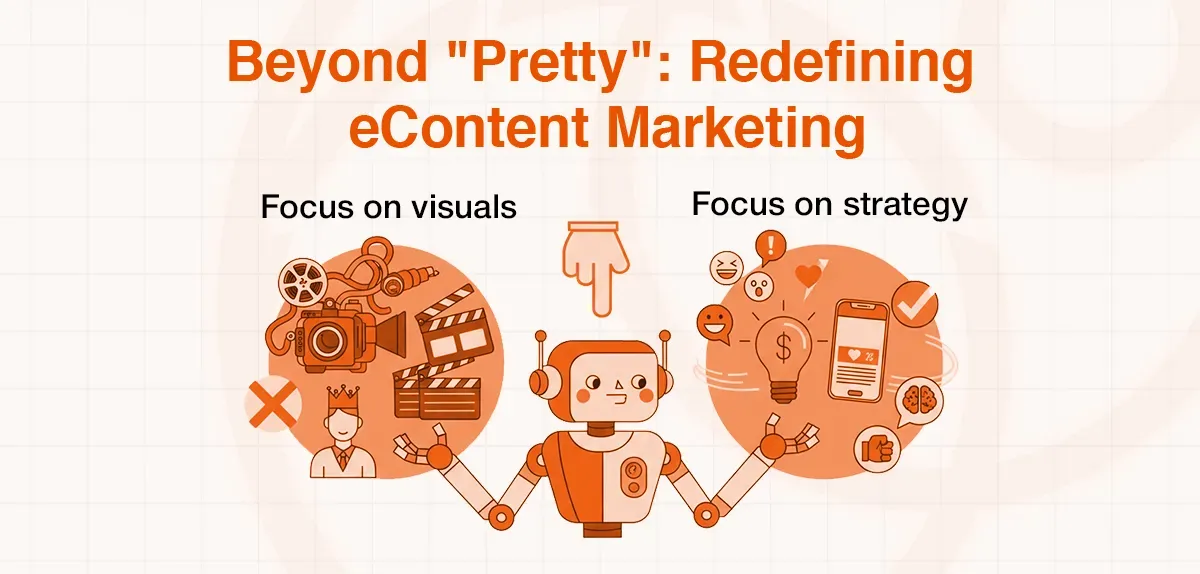
Redefining Creative Content Marketing
The biggest and first error that I see brands commit is that they confuse being creative with being expensive and high-budget. This is why creative content marketing must focus on strategy, not just visuals.
The reason High-Production Value is not the same as Creativity
You can invest millions of dollars in a Super Bowl commercial with a big-name athlete and slick production and see viewers forget it within 30 seconds of watching it. Conversely, a home-taped iPhone TikTok that was filmed in a low-fi setting with minimal equipment can be nothing but a piece of pure genius, going viral with millions of shares across platforms.
Creativity doesn’t depend on budget; it depends entirely on the strength of the idea behind it. An original piece of work not only catches your eye but also your brain and heart, as well as your soul.
The True Goal is Stopping the Scroll and Earning an Emotional Response
The real objective of creative content marketing is to make one feel something deeply and memorably. You wish that they laugh out loud, gasp in surprise, feel observed and understood, or get inspired to take action. You are not merely attempting to sell a product to them; you are attempting to secure a small rent-free space in their mind that lasts. Emotion is the only currency that is needed in a saturated market filled with competitors. The goal of creative content marketing is to evoke genuine emotion and engagement.
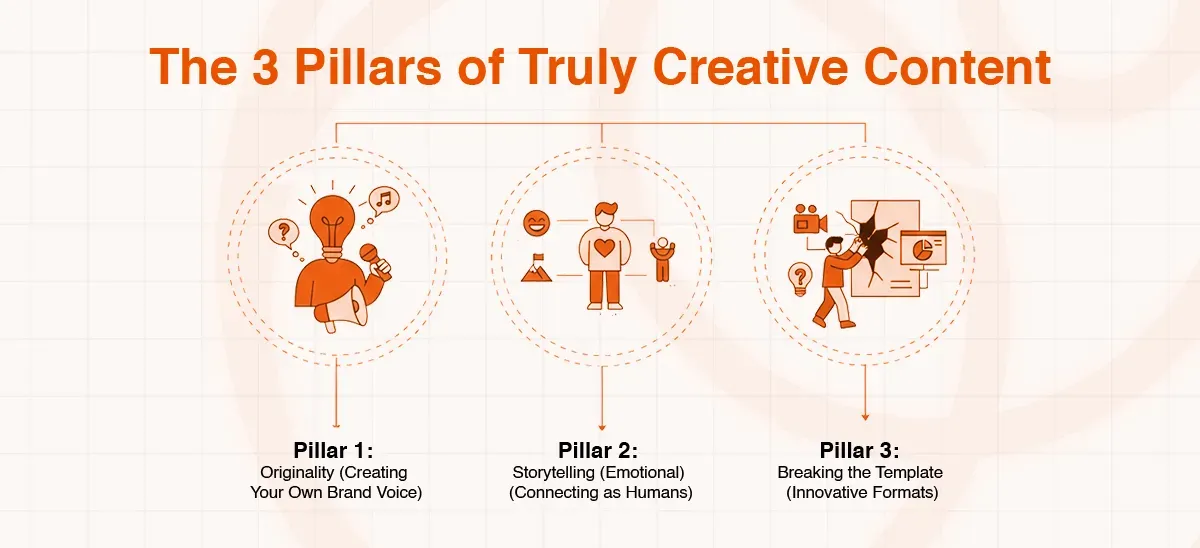
The 3 Pillars of Truly Creative Content
So, how do you make this happen in your own marketing efforts? It's not magic or something that just happens by chance. It is a strategy that is founded on three solid pillars that work together.
Pillar 1: Originality (Creating Your Own Brand Voice)
Originality is the foundation of creative content, helping your brand find its unique voice. The first one is that you must stop blending in with everyone else in your industry. Originality does not imply creating something that the world has never seen before in history. It involves possession of a unique point of view that only you can share. It is finding the weirdness in your brand and going with it wholeheartedly.
- You, the comic, unbalanced genius who makes people laugh?
- Do you make a highly compassionate, helpful mentor who guides your audience?
- Are you the sceptic who is fact and no nonsense, cutting through the fluff?
Quit following the fashions and become leaders of them in your own unique way. All creative brand content is based on your unique voice that no one else has.
Pillar 2: Storytelling (Emotional) (Connecting as Humans)
Storytelling is an essential part of creative content, connecting with real human feelings. Humans do not create relations regarding logos or products that are lifeless. They foster contacts with narratives and fellow human beings who share their experiences. Your copy should be able to appeal to real human feelings that matter to people.
- Humour: Get them smiling and laughing out loud (as Dollar Shave Club does brilliantly).
- Inspiration: To be able to make them think that they can do it too (as Nike demonstrates consistently).
- Empathy: Make them feel comprehended and truly understood (as mental health apps do effectively).
Stop listing product attributes in a boring way; instead, narrate stories that connect with the real-life problems, fears, and dreams of your audience.
Pillar 3: Breaking the Template (Innovative Formats).
In case you are just writing 500 words on a blog every single week, you are not being creative enough. The format is a massive consideration in the creative process that often gets overlooked.
- Why make a blog post when you may make an interactive quiz that engages users?
- Instead of creating a generic advertisement that gets ignored, you can create a personalised, data-driven report that provides value.
- When you can run a competition to encourage user-created content, why not post a stock photo that looks generic?
An innovative content format is usually enough to stop the endless scroll immediately.
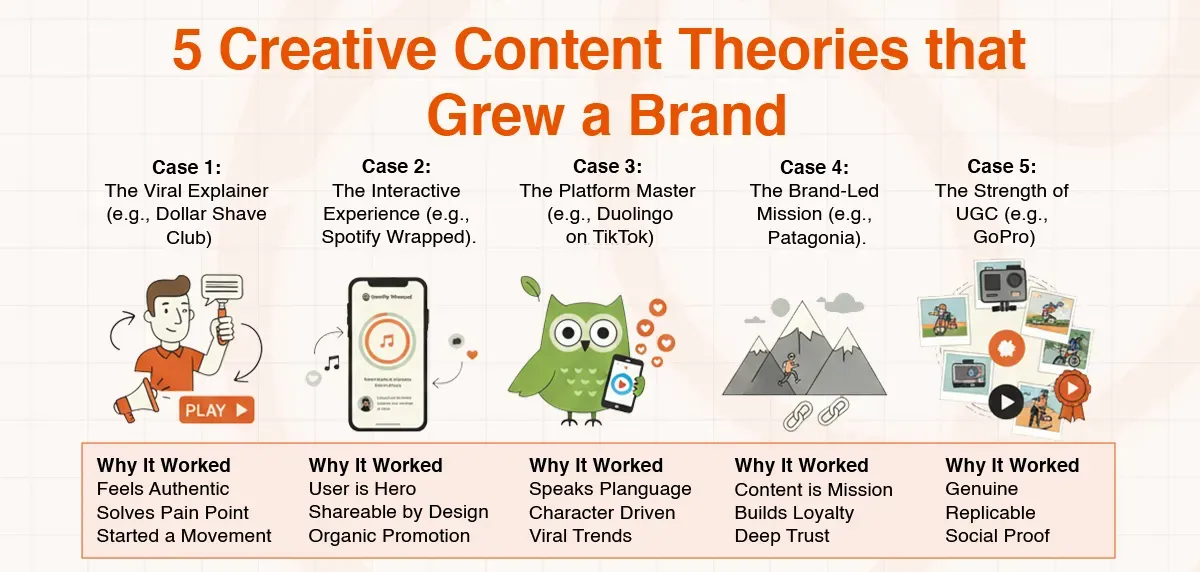
5 Creative Content Theories that Grew a Brand
The following are some exemplary examples of creative content and what we can learn from them in practice.
Case study 1: The Viral Explainer (e.g., Dollar Shave Club)
The Content: Their video, released in 2012, “Our Blades Are ***ing Great”, took the internet by storm. It was a one-take video of the founder walking around his warehouse and telling jokes, and explaining his business model simply.
Why It Worked: It was simple, fun, creative, and innovative in every possible way. It didn't feel like an ad at all to viewers. It is as though a jovial, self-confident man were sharing a secret with you personally. It took a shot at a pain point that was unmistakably evident to a customer (razor being expensive and overpriced) and started a movement that changed the industry.
Case 2: The Interactive Experience (e.g., Spotify Wrapped).
The Content: Spotify provides its users with a list every December, a beautifully designed, data-driven slideshow of the listening habits of the users throughout the previous year, personalised to each individual.
Why It Worked: This is the genius level of the creative content on two separate occasions that work together. To begin with, it engages the personal data to render the user the hero of their story and journey. Second, it is shareable in nature by design and intention. Individuals will be proud of their music preference and desire to show their Wrapped over social media platforms, converting their whole user base into a giant, no-cost advertising crew that promotes organically.
Case 3: The Platform Master (e.g., Duolingo on TikTok)
The Content: The TikTok account of Duolingo, with its huge, somewhat unstable green owl mascot, Duo, longing after pop stars and engaging in office pranks that go viral.
Why It Worked: Duolingo realised the native language of the platform and spoke it fluently. They not only made ads that interrupt, but they also invented a character and joined trends like any user would naturally. Their imaginative content is bizarre, humorous, and is 100 per cent authentic to the TikTok experience and culture, creating a massive population of engaged followers.
Case 4: The Brand-Led Mission (e.g., Patagonia).
The Content: The video black Friday advertisement of Patagonia, or the environmental activism films of Patagonia that take a stand.
Why It Worked: This is a content strategy at its finest, creative level possible. The content that Patagonia has is not about their jackets and gear, but their mission and values. Their essence brand values (environmentalism and sustainability) are transformed into stories that inspire action. This creates an immensely loyal tribe of clients that not just purchase from Patagonia but also trust it deeply.
Case 5: The Strength of UGC (e.g., GoPro)
The Content: User-Generated Content (UGC) is the foundation of the whole marketing model of GoPro and what makes them successful. They have their Photo of the Day competition and officially recognised GoPro Awards that motivate users to share their most incredible videos with the community.
Why It Worked: Why write to people that your camera is strong and good quality, when you can demonstrate to people thousands of beautiful, real-life videos of the moments when customers are skiing down a cliff and surfing big waves with your product? It is genuine, replicable, and offers unlimited social confirmation and proof that works.
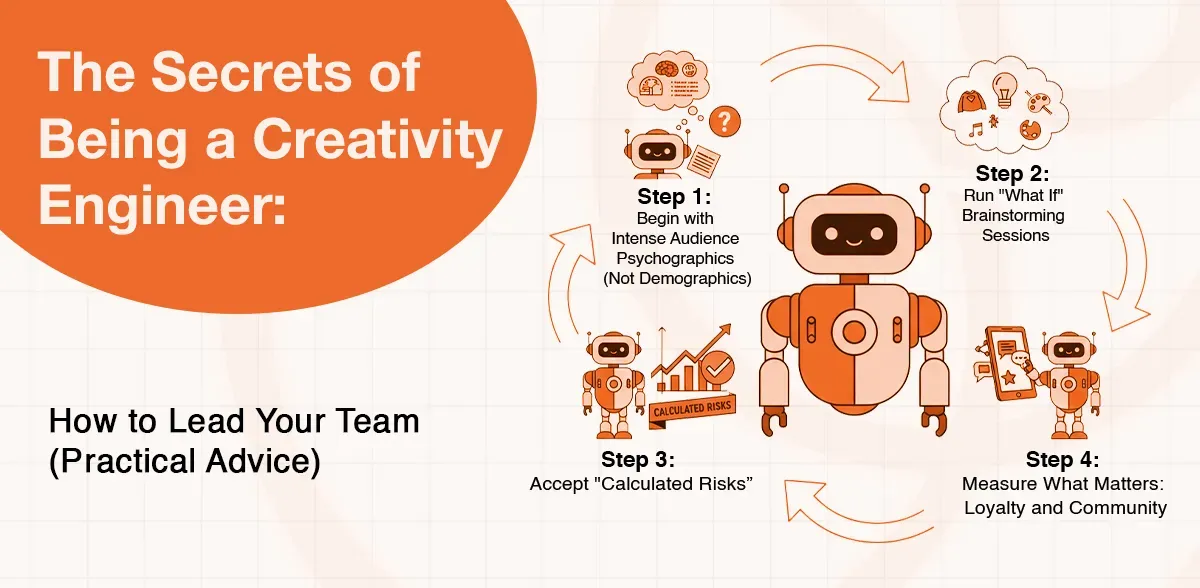
The Secrets of Being a Creativity Engineer - How to Lead Your Team (Practical Advice)
The best part about creativity is that it is a process, not a miracle that happens by accident. You can build a system for it that produces results consistently.
Step 1: Begin with Intense Audience Psychographics (Not Demographics).
Stop thinking about what your audience is (e.g., a 35-year-old male living in a city). Begin to be obsessed with why they do what they do (psychographics and motivations).
- Why do they fear something under wraps that they won't admit?
- What are their actual aspirations (not the ones they put on LinkedIn for show)?
- What do they value deeply? What do they hate with a passion? These profound human observations are the source of truly original creative content ideas and not a generic persona template.
Step 2: Run "What If..." Brainstorming Sessions
Off-the-shelf material is a result of off-the-shelf brainstorming that lacks imagination. You must make a secure area of wild, "stupid" ideas that feel risky.
- Ban "no" for the first 20 minutes of the session completely. Get inventive with questions like these:
- What would our brand of superheroes be if we had to create one?
- What would its power be that saves the day?
- What would happen if we were forced to explain what we were actually selling to a 5-year-old child? Would it do any good to have no words, just images and visuals?
- Look outside your industry for fresh inspiration. What's the art world doing right now that's interesting?
- What are musicians doing that captures attention?
- Be inspired beyond the boundaries of your own world and comfort zone.
Step 3: Accept "Calculated Risks”
This will never be accepted by my boss or the leadership team. This is the most prevalent killer of creativity in organisations. You have to be able to sell calculated risks in a way that makes sense.
- Getting it: Pitching a million-dollar campaign that's a huge gamble? Don't do that. Make a little experiment, which is cheap and low-risk to start.
- Say this: I have an odd concept of a 3-part TikTok series that could work really well. It'll take us 4 hours to make with minimal resources. We should run it, establish a definite standard for success, and in the event it fails, we will kill it immediately. But if it works and gains traction..."
Permission for a large-scale creative risk can only be achieved through small-scale test data that proves the concept. Transcend simple blogging that everyone else is doing. The use of new content formats, such as quizzes or calculators, can boost engagement exponentially and dramatically.
Step 4: Measure What Matters: Loyalty and Community
Quit the craze about vanity measures such as likes and page views that don't mean much. These measurements do not give you information as to whether your material actually resonated with your audience.
Begin monitoring "Resonance Metrics" that matter:
- Shares: Does this piece of content make one appear smart/ funny to his or her friends and network?
- Saves: Does one want to go back to this content later because it's valuable?
- Comments: Does this content initiate an actual conversation that has depth and meaning?
- Brand Mentions: Do people mention you without you having to encourage them to mention you organically?
These are the numbers that demonstrate that your creative content is, in fact, creating a loyal community around your brand.
Conclusion
Marketing is no longer about who can create more content; it is about who can create more creative content. This needs a tactical change. What you have to do is to seek out a different voice, emotional storytelling, and get out of the stale boilerplate that all other people are following.
Your product can be copied by competitors easily. Your logo can be copied and replicated, too. But strong creative content marketing ensures your brand’s voice and stories remain unique and memorable. Stop blending in with the crowd. It's time to create creative content and stand out boldly.